

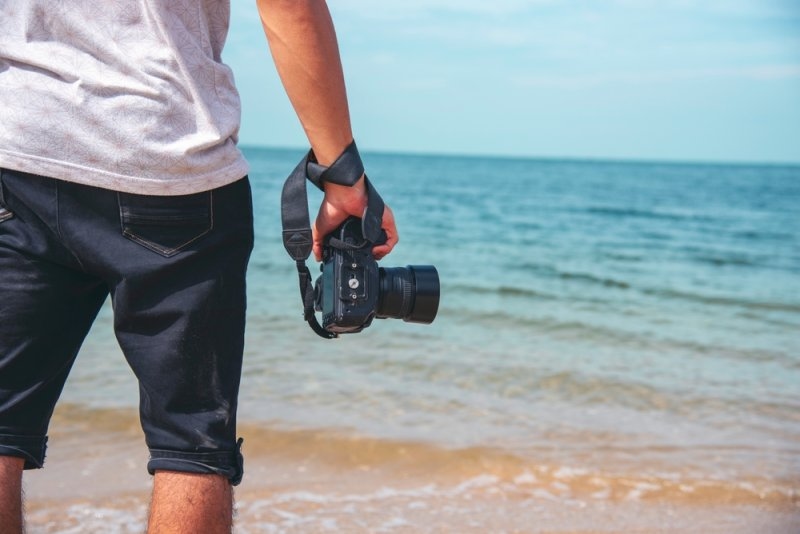
Beach photography is one of the most inspiring genres available. Whether it is tranquil shoreline views you favor or the dynamic and vibrant appearance of powerful waves, there is a technique to complement each.
These beach photography tips give you easy ways to enhance your composition, lighting, and creativity for both experienced and novice photographers, resulting in unforgettable coastal images.
Combining dramatic shifting light, animated water, and expansive panoramas, photography at the beach is a fantastic challenge to take on. Light, color, and textures vary with every visit, ensuring each and every photograph of a coast that you take will be unique, while also providing an opportunity for photographers to demonstrate and improve their patience, skill at observation, and artistry on film/digital media in an open natural setting.
It’s an avenue for practicing and strengthening landscape photography through composition, balance, and natural balance of image features within an ever-changing but incredibly beautiful environment.
From hushed, tranquil mornings, right through to vibrant sunsets bursting with color, coastal and seascape photography gives you a number of ways of composing creative stories through the lens.
The earliest and latest hour of the day has a soft light that naturally flatters beaches and water bodies within your landscape photography scene, helping to reduce any harsh shadows present and produce a colorful, vivid sky that brings your coastal photographs to life.
Seascape photography benefits hugely from the soft, even light of the golden hour, adding definition to waves without overexposing the highlights. The first tip among all the photography tips for beginners suggests experimenting in this light first, as it also helps photographers manage the camera settings easily and produce sharper, vibrant results.
Leading lines can be natural patterns of waves, shores, wooden piers, and footprints in the sand, which will draw the viewer’s eyes over the photograph and enhance both the visual depth of your landscape photographs and the feel for the expanse and scale of a coastal scene.
In one of the best photography tips and ideas, this helps a beach photograph tell a better story.
Using a slower shutter speed adds a smooth, silky effect to the water's motion across your foreground in landscape photography. In seascape photography and coastal photography specifically, this technique adds depth and motion to your wave shots to make a more artistic landscape photography composition.
A tripod is a vital component for achieving this beach photography tip in any lighting situation and a valuable tool as you develop your expertise in digital photography.
Whether for landscape photography or coastal photography shots, sand and saltwater can damage your camera and equipment. Taking care to properly clean, maintain, and protect lenses and camera bodies should be essential on every beach photography session.
This can range from carefully selecting the equipment you will take out and using lens wipes or microfiber cleaning cloths for quick, gentle, and effective removal of salt and sand from all lens and camera components to carrying protective camera bags to ensure full gear safety, particularly when not actively using the camera.
The most common eye-level camera angle can prove limiting for creating powerful, breathtaking scenes as a professional beach photographer or for amateur landscape photographers. Crouching down low on the shore, or raising your perspective from a suitable high point, can produce uniquely exciting views, dramatically affecting the feel, mood, and overall presentation of the typical beach photography shot.
The principle can also be applied creatively to other forms of photography like seascape photography and coastal photography in general. Changing the shooting angle is a tip for beginner landscape photographers.
Adding a single person, or people, into a seascape landscape photography shot can have a powerful effect both in terms of illustrating the scale of a natural scene and bringing more emotion into the entire coastal photograph. The photograph can portray more of a feeling of peace and tranquility in seascape photography.
Tips for beginner landscape photographers include the effective use of people for a scale element within the scene, rather than as the focal subject of the photograph, allowing your viewer to more readily grasp the majesty of a panoramic view you’ve composed within coastal or seascape photography.
Here is a list of recommended items for a great beach photography session:
Excellent beach photography and wonderful seascape photography rely heavily upon keen observation, artful composition choices, and capturing the dynamic beauty and fleeting nuances that the coast constantly offers photographers.
By applying this beach photography guide to your future sessions, you’ll develop better and better seascape photography, strong digital photography skills, compelling landscape photography work, and beautiful coastal photography that tells a powerful story. Even very small changes can result in marvelous images to hold onto for years.
For beach photography, use a low ISO if possible to minimize grain and ensure sharp images. Aperture Priority mode is great for most scenes, and using exposure compensation will allow you to retain the brightness of the sand and the reflection in the water.
You don't need fancy gear to do seascape photography. With good light, a steady hand, and some practice with basic photography techniques, composition, and light, you can capture great scenes even with a simple camera or smartphone with good specifications.
Coastal photography deals specifically with photographs of shores, the sea, cliffs, and weather around it, be that a beach, rocky coastline, or headland. Landscape photography is a much broader category of photography that takes a wider range of natural features such as mountains, forests, valleys, deserts, lakes, and open countryside.
The best photography tips to use at the beach for beginners include shooting at golden hour, making sure that the horizon is straight and parallel, avoiding using the digital zoom, remembering to clean your equipment before you leave, and taking various shots from different angles.
While the sky can be beautiful and blue, dramatic clouds help make more interesting beach photography shots. Light rain, a colorful sky at sunset, misty conditions, and rough waves will all create more aesthetically pleasing images at the coast.
This content was created by AI