

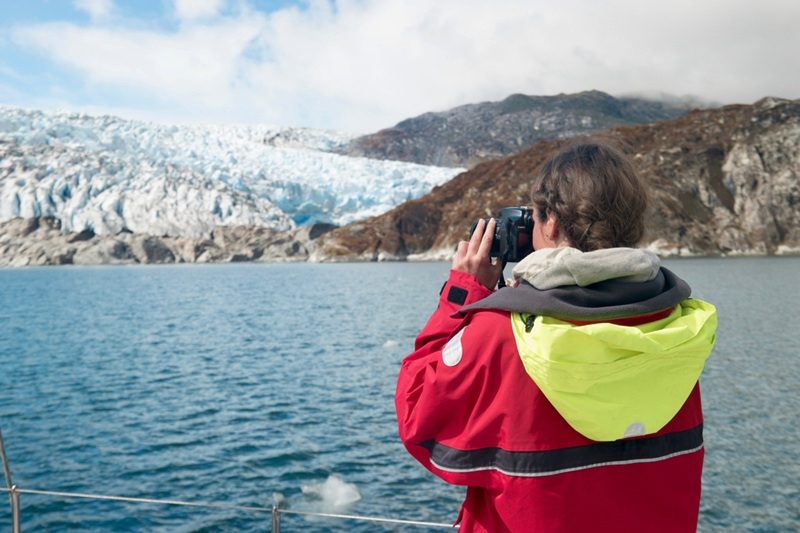
Climate change photography captures real environmental changes through images that show what is happening around the world. It focuses on glacier melting and the visible climate change impact in natural spaces.
This blog will explain to you how Alpine Glacier photography and mountain photography help document these changes, along with practical methods and key factors to understand.
Must Read: Vacation Landscape Photography Tips & Travel Guide
Environmental photography is not just about taking good-looking pictures anymore. It has quietly shifted into something more serious. Something that records change as it happens, without waiting for permission.
In alpine regions, the camera often becomes a witness. A photographer stands in the same place, sometimes years apart, and the difference is impossible to ignore. Ice that once stretched across the valley now sits in broken patches. The silence feels heavier, almost like the place remembers what it used to be.
This kind of work does not rely on dramatic editing or staged scenes. It depends on honesty. The frame shows what is there, nothing more, nothing less. And yet, that is enough. A single image can show years of slow change without saying a word.
There is also a sense of responsibility attached to it. Photographers are not just observers anymore. They are documenting something that may not exist in the same way in the future. That thought changes how they approach every shot.
You can check below to understand the impacts of climate change:
The structure of glaciers is changing slowly but clearly. Large ice masses are breaking into smaller sections, and the smooth surfaces now look uneven and fragile. It is not always dramatic, but it is constant.
Water will start to store in areas where there was once ice after it starts melting. These new bodies of water may look calm, but they are a sign of big changes in the land.
The pattern of snowfall is no longer predictable. Some seasons have less snow, while others are delayed.
Living things that live in cold weather are gradually adapting to these changes. Some are leaving, while others are struggling to survive. Even though these changes are small, they are having a big impact on the ecosystem.
Top Pick: Ice Crystal Photography: Capturing Finland’s Frozen Beauty
You can check below to understand the 5 methods for climate change photography:
Photographers often revisit the same spot over long periods. This helps create a visual timeline. When images are compared, glacier melting becomes easier to understand without needing a detailed explanation.
Wide frames show the full scale of a glacier and its surroundings. They provide context, which makes changes more visible. A viewer can immediately notice what has been reduced or shifted.
Pictures taken during different seasons will show a pattern, which cannot be observed during a single visit.
Close-up pictures of cracks, textures, and edges will show a different perspective. These small details will show signs of change before they are evident in other pictures.
Adding a human figure will give the image a sense of scale, helping people relate to it. It will show a sense of reality.
The following list will help you to understand the practical tips for Alpine Glaciers photography:
The weather can change in an instant. The sun can go from clear to strong winds in no time. Being prepared helps avoid unnecessary risks and keeps the focus on the task.
Soft light is best used during early morning or late afternoon. This type of light highlights the texture well without creating strong shadows. The composition looks more balanced.
A clean composition helps the viewer focus on the subject. The subject will not look cluttered with too many elements in the background.
You need to consider the following list of factors for mountain photography:
The paths in the mountains are not always certain. It is always advisable to keep a keen eye on one's surroundings and avoid dangerous zones. Safety always comes first.
The management of light in mountain areas is unique in its own right. At times, shadows are very sharp, while highlights are extreme. Getting used to this helps in keeping a clear image.
Having too much equipment can hinder movement in the mountain areas. Choosing what is needed helps in getting around with ease.
Natural environments are always worth preserving in their original state. Getting around in these areas helps in keeping them as they are.
Climate change photography offers a clear and honest way to understand environmental change. It captures real moments in alpine regions and shows how landscapes are shifting over time. Through simple observation and consistent effort, photography helps build awareness and preserves visual records that may not exist in the future.
Climate change photographs involve the taking of images related to the visible changes in the environment. It involves the taking of photographs related to the change in the environment. It helps people understand environmental changes without needing to understand the details.
Alpine glacier photography involves photographing changes in glaciers. It involves the creation of images related to the change in the environment. It helps people understand environmental change in a simple way.
Glacier melting changes the structure of landscapes by reducing ice coverage and forming new water bodies. It also affects ecosystems and the natural balance. These changes happen gradually but have lasting effects on the environment.
This content was created by AI