

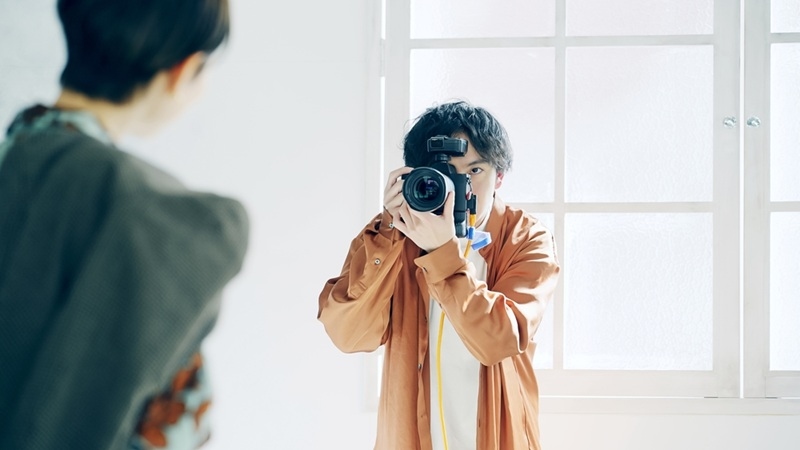
Portrait photography types describe the different ways photographers capture people through lighting, pose, and setting. Each style helps show personality, emotion, and identity in a clear visual way. This guide will explain to you the importance of portrait photography types and the different types of portrait photography.
Must Read: Event Photographer: How to Choose the Right Professional
Every portrait has a purpose. Sometimes the goal is a professional presentation. Sometimes it is emotion. And sometimes the goal is simply to capture a person as they are in a moment.
This is where understanding different types of portrait photography becomes important.
A photographer who understands several portrait styles can approach people with more confidence. They know when to guide the subject. They also know when to step back and allow natural moments to appear.
Some people feel comfortable with clear posing. Others feel stiff when asked to pose. In those cases, a more relaxed portrait approach works better. Knowing different portrait styles helps photographers adjust quickly.
There is also the creative side. Portrait photography is not only about capturing faces. It is also about environment, light, and expression. When photographers explore different styles, they learn how each element affects the final result.
You can check below to understand the most popular types of portrait photography:
Traditional portraits follow a simple and classic structure. The subject usually sits or stands facing the camera in a calm posture. The background stays simple so attention remains on the person. Lighting is balanced and clear, which helps show facial features without distraction.
Environmental portraits place the subject inside a location connected to their daily life. For example, a painter may be photographed in a studio. A baker may stand inside a kitchen. The space becomes part of the portrait and adds context.
Lifestyle portraits focus on natural situations rather than strong posing. The photographer may guide the subject gently, but the goal is to capture real interaction. These portraits often show families or individuals during everyday moments.
Candid portraits capture moments without preparation. The photographer observes quietly and captures expressions when people are relaxed. Because the moment is not staged, the portrait often feels honest.
Headshots are focused on the face and upper torso and aim at capturing mood, emotion, and character. A basic background is used, which keeps the focus solely on the subject.
Fine art portraits go beyond the norm and use creative and artistic techniques in lighting, composition, and pose. They aim to use the subject for the expression of ideas.
Editorial portraits accompany a feature article like a story or interview. They show the subject's personality and occupation through clothing and pose.
The glamour portrait shows the subject in the most beautiful and confident way. Soft light is used in this type of photography.
Street portraits are photographed in public places like the street, park, and market. They feature ordinary people in ordinary places.
The photographer becomes the subject in this type of photography. It is a bit tricky because the photographer has to pose himself.
The family portrait shows the relationship between the people in the photograph. It shows the closeness and affection between people.
The couple portrait shows the relationship between the couple. It shows the affection and closeness between the couple.
The newborn portrait is photographed in the first few days of life. It shows the baby in the environment and the use of light.
The fashion portrait is a combination of fashion and portrait photography. It shows the subject in the most stylish way.
The conceptual portrait shows the ideas and concepts behind the photograph.
Top Pick: Vacation Landscape Photography Tips & Travel Guide
The following portrait photography ideas help beginners build confidence:
This natural light usually has a gentle, even quality. Being near a window allows a photographer to see how natural light affects a subject’s face.
Consider moving outside to an area where natural backgrounds and natural light abound. Parks, side streets, and open fields provide simple settings in which a subject can pose comfortably.
Photographers can take pictures of individuals in their daily lives, and this could lead to interesting portraits. For instance, a friend engrossed in a book or someone in the process of cooking can create a casual ambiance.
You can refer to the following list to understand the benefits of using different styles for portraits:
Trying out various styles of portraiture will encourage photographers to be creative with lighting, settings, and posing ideas.
Photographers can use various styles of portraiture to tell a visual story by using emotions and personality in the image.
Photographers can create a wider variety of photographs by trying out various styles of portraiture.
Creating strong professional portrait photography requires attention to detail and thoughtful communication with the subject.
The subject’s expression often determines the strength of the portrait. A relaxed subject usually produces more natural and engaging portraits.
Light direction affects how facial features appear. Soft lighting usually produces balanced and flattering portraits.
A clean frame keeps the viewer’s attention on the subject. Removing distractions improves visual clarity.
Understanding portrait photography techniques helps photographers produce consistent results.
Look at the way the light changes throughout the day and what it does for the subject.
Good framing makes for well-balanced portraits.
A natural posture tends to make for more compelling portraits.
Changing the angle of the camera tends to add depth and perspective.
Photographers must review their work after each session and identify what needs improvement.
Understanding the various portrait photography styles allows photographers to approach their work with greater purpose and creativity. Every style reveals the subject’s personality and emotion in its own way. With practice and observation, photographers can create portraits that are both natural and well-balanced.
Portrait photography types refer to different styles photographers use to capture people through various settings, lighting choices, and compositions.
Learning different portrait styles helps photographers adapt to subjects, locations, and creative goals.
A good portrait usually includes balanced lighting, natural expression, and thoughtful composition.
This content was created by AI